
Case study · 2025
Payment ecosystem
Product design
Design project for a payment ecosystem across multiple platforms, including a bank card terminal interface, an admin application, and a back-office platform.

Why this case matters
This case shows how I work in complex product environments where UX is not only about screens, but about making a wider ecosystem understandable, consistent, and usable.
Context
01A bank card terminal ecosystem was being created, including:
- a payment terminal interface for handling everyday in-store transactions,
- an admin application for merchants to manage their terminal-related settings and activity,
- and a back-office platform for internal operational processes.
Because the ecosystem was still taking shape, the work was not only about designing screens, but also about helping define how the connected products should work together.
Process
02The project had to move quickly, so this time we could not follow a full textbook UX process from deep discovery to validation.
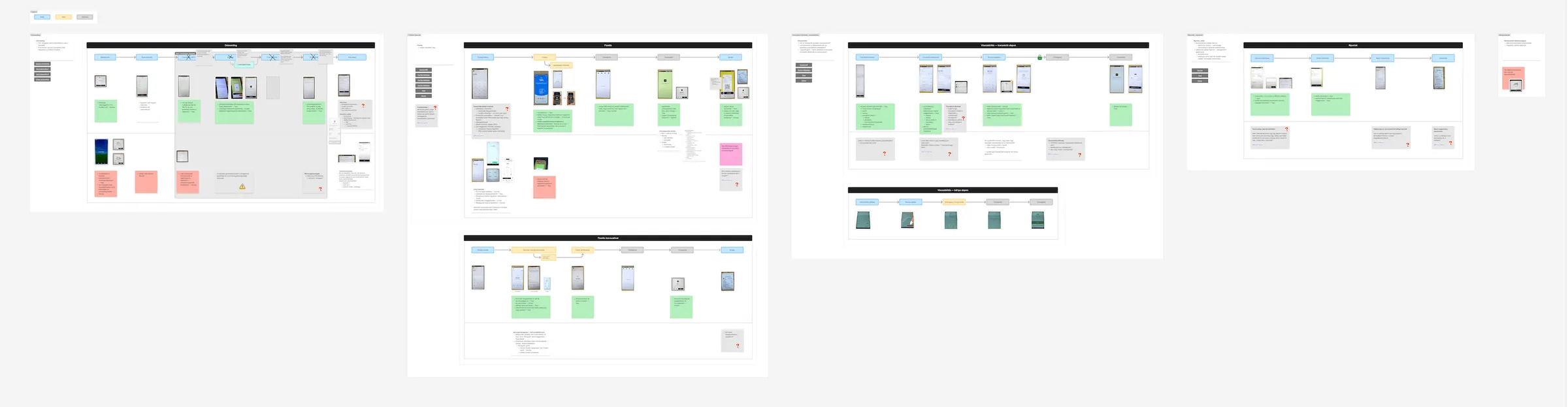
The work started with understanding the competitor landscape by running a best-practice discovery to understand how similar ecosystems structure their core flows, product logic, and operational touchpoints.
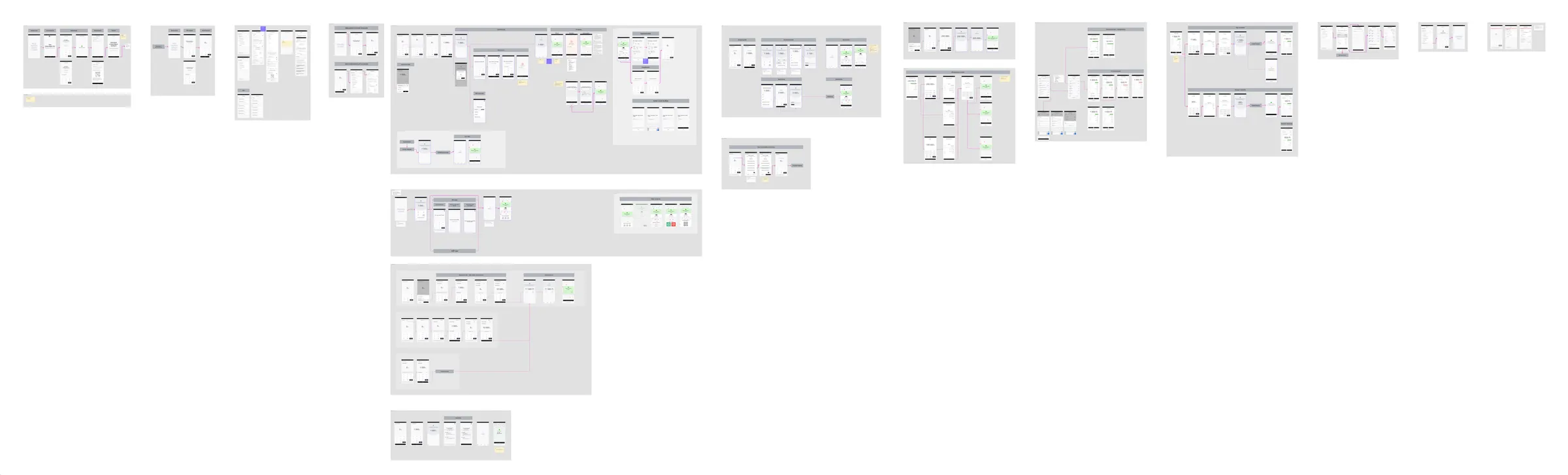
Based on this, we worked with the client’s product and dev team to shape the product concept and feature set. Instead of designing only the immediate MVP, we first sketched out an ideal future-state version of the ecosystem through user flows and wireframes. This helped us understand how the product could scale later, and how upcoming features would fit into the structure.
From this ideal direction, we worked backwards to define a realistic MVP scope. Once the MVP was aligned, the design team developed it further on a UI level under my lead. My role was to keep the decision-making moving, coordinate the design process, and make sure the work stayed consistent from early look & feel directions through design system alignment, task distribution, reviews, and final UI handovers.
A key part of the process was keeping the experience coherent across platforms. This meant considering how decisions in one part of the ecosystem would affect other tools, user groups, and operational processes. As the product evolved, we worked across several parallel workstreams and regularly aligned design directions with product, business, technical, and vendor-side teams.
Challenges
03The main challenge was the scale and fragmentation of the project — multiple platforms, workstreams, teams, and external vendors, set in the brand’s wider product portfolio. Beyond designing individual interfaces, the work required a service-level view of how the ecosystem would function across different user groups, operational touchpoints, internal tools, and changing contributors.
With several teams and vendors involved, information did not always flow clearly between all parties. A big part of the work became creating enough shared context for everyone to move in the same direction: clarifying decisions, aligning ways of working, and keeping the product logic consistent across contributors.
Another important challenge was protecting user needs in higher-level product discussions. Many design decisions had to be explained and defended not only on a screen level, but in terms of product coherence and long-term scalability. This required close collaboration with other vendors and a careful balance between user needs, business priorities, technical constraints, and stakeholder expectations.
Outcome
04The work resulted in product concepts and feature directions that supported both product decision-making and future design work. The MVP scope for the payment terminal experience was developed to UI level and is now ready for implementation.
It is a good example of service-level product thinking: connecting user flows, platforms, teams, vendors, and operational realities into a product experience that can hold together as the ecosystem grows.
My role
- Contributed to competitor analysis and best-practice discovery
- Shaped the product concept and feature set with the client’s product team — helping define an ideal future-state direction for the ecosystem and supporting MVP scoping by working backwards from the long-term product vision
- Created user flows, UX structures, and wireframes
- Coordinated task distribution, design reviews, and decision-making within our design team
- Helped define design operations and ways of working across contributors, including other vendors
Methods
- Competitor analysis
- Concept development
- Heuristic evaluation
- Service-level UX
- User flows
- User personas
- Wireframing
- Workshop facilitation